


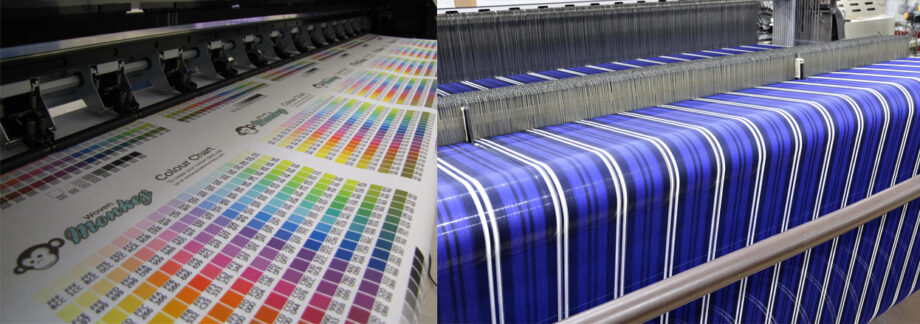
Custom fabric creation has revolutionised how designers and brands bring their visions to life. Whether you're exploring fabric printing techniques or traditional weaving methods, understanding the differences between these textile printing approaches helps you make the right choice for your project.
In this guide, we'll explore how fabric printing works, compare it to woven textiles, and help you determine when custom fabric printing is your best solution.
What Is Fabric Printing?
Fabric printing is the process of applying colours, patterns, or images directly onto finished textile surfaces. Today's textile printing technology especially digital methods enables designers to create custom fabric with intricate details, smooth gradients, and photographic precision. Unlike woven patterns that are built into the fabric's structure, fabric printing applies designs on top of the material. This makes textile printing ideal for quick customisation and intricate designs.
Popular Fabric Printing Methods
Digital textile printing (inkjet based technology, perfect for custom fabric orders)
Screen printing (traditional approach for high volume fabric printing)
Sublimation printing (specialised textile printing for polyester fabrics)
Reactive and pigment printing (fabric printing methods for natural fibres like cotton and linen)
Understanding Custom Fabric Through Textile Printing
Custom fabric production through textile printing allows designers to create unique, made to order materials without large minimum orders. This fabric printing approach is essential for fashion, home décor, and artistic textile applications.
Benefits of Custom Fabric Printing
Custom fabric printing delivers unlimited colours, crisp high resolution reproduction, and fast fabric printing prototyping. All while keeping textile printing cost effective for small production batches.
Custom fabric creation via textile printing is especially valuable for designers who need flexibility, personalisation, or quick turnaround times.

What Are Woven Fabrics?
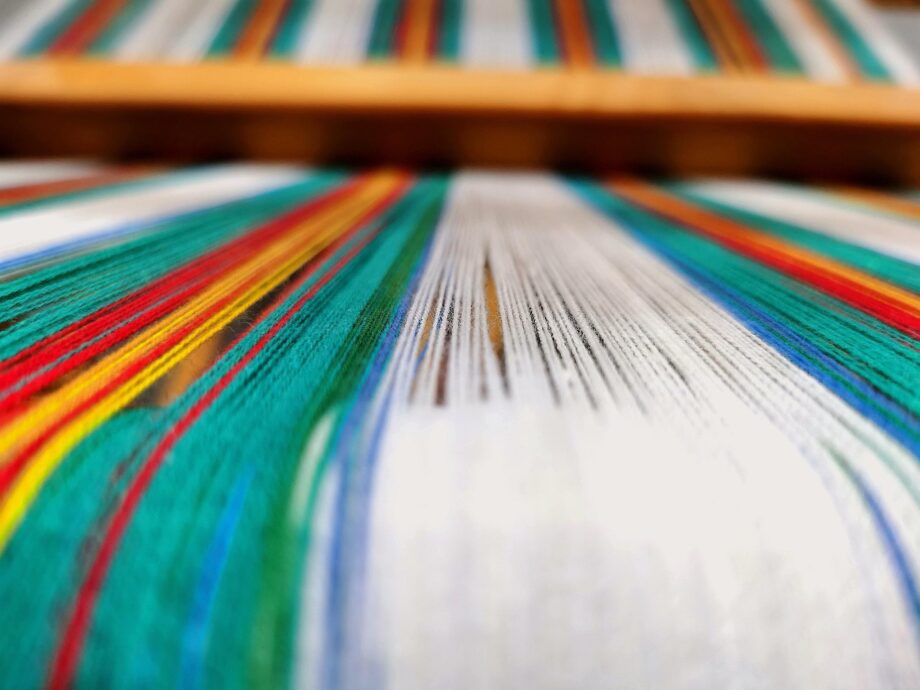
Woven fabrics are created by interlacing yarns on a loom, with patterns and textures built directly into the textile structure. Popular woven styles include jacquard, damask, tweed, and brocade. Unlike fabric printing, woven designs aren't applied after production. They're an integral part of the custom fabric itself.
Key Characteristics of Woven Textiles
Woven textiles offer superior durability and longevity, rich texture with dimensional quality, permanent designs that won't fade, and a premium appearance and feel.
Fabric Printing vs Woven Fabrics: Side by Side Comparison
Fabric printing is your ideal custom fabric solution when you need textile printing with fast turnaround times, when your design features photography, gradients, or complex artwork, or when you're creating limited quantities or one off custom fabric pieces where visual impact takes priority over texture.
Textile printing excels for scarves, dresses, wall art, cushions, and experimental custom fabric designs.
When Woven Fabrics Are the Superior Choice
Woven textiles outperform fabric printing in scenarios where custom fabric durability is paramount. This traditional approach excels over textile printing when texture and tactile quality matter, when your custom fabric faces heavy use like upholstery or furniture, or when you desire a premium heritage aesthetic. For brands prioritising craftsmanship and lasting quality, woven custom fabric often surpasses both fabric printing and textile printing solutions.
Why Both Fabric Printing and Weaving Have Their Place
Fabric printing and woven textiles aren't competing techniques. They're complementary tools in custom fabric creation. Many successful collections combine textile printing for detailed patterns with woven fabrics for structure and durability. Your choice between fabric printing and weaving depends on intended use, handling frequency, and the experience you want to deliver.
Conclusion
Fabric printing has revolutionized creative freedom in custom fabric production, enabling personalisation and rapid textile printing turnaround. Meanwhile, woven fabrics continue to set the standard for quality, texture, and durability.
Understanding the strengths of both fabric printing and textile printing empowers designers and buyers to make informed decisions—balancing creativity with craftsmanship in their custom fabric selections. Whether you choose textile printing or woven methods, the best custom fabric is the one that aligns with your design vision, budget, and long term goals.
Want to hear more about our great fabrics? Check out our fabric guide page. Want to chat to one of our experts? Let’s chat.

