


With so many ways to create custom fabric these days, it can be hard to know where to start. In this guide we compare printing your own fabric at home with using a professional fabric printing service, so you can choose the best option for your project.
When DIY fabric printing can work
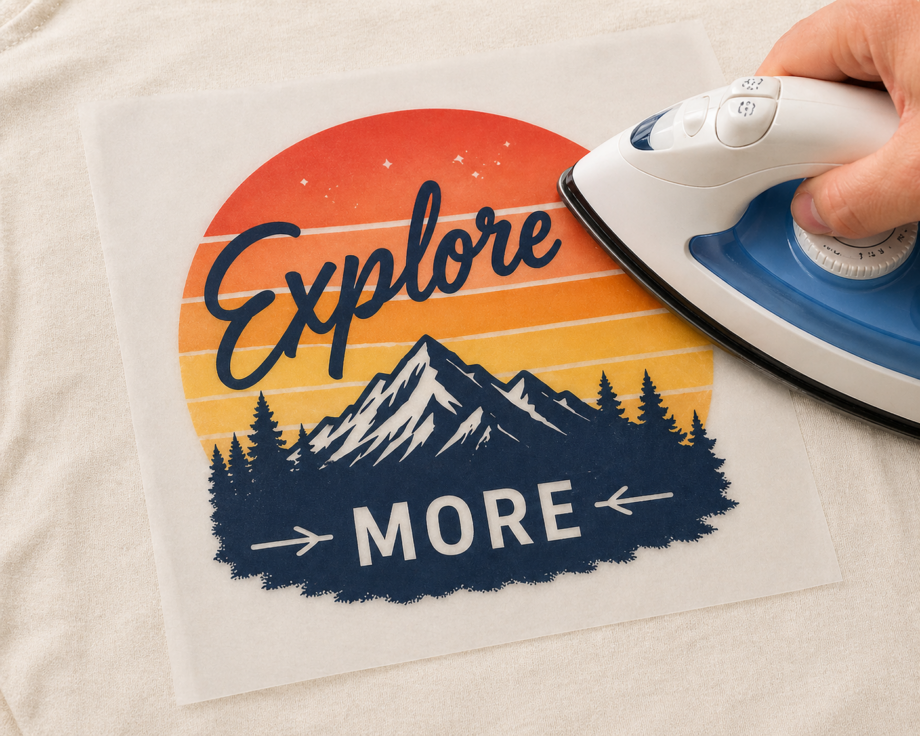
Home inkjet printers can handle special pretreated fabric sheets, and there are iron on transfer papers designed to bond printed designs onto cloth. It's easy to see the attraction as you have complete control, you can print small quantities on demand, and you can experiment freely.
Home printing methods can be a decent option for very small, low stakes projects like a simple iron on design for a personal gift. If you already own a suitable inkjet printer and you only need a small piece, the upfront cost can seem low.
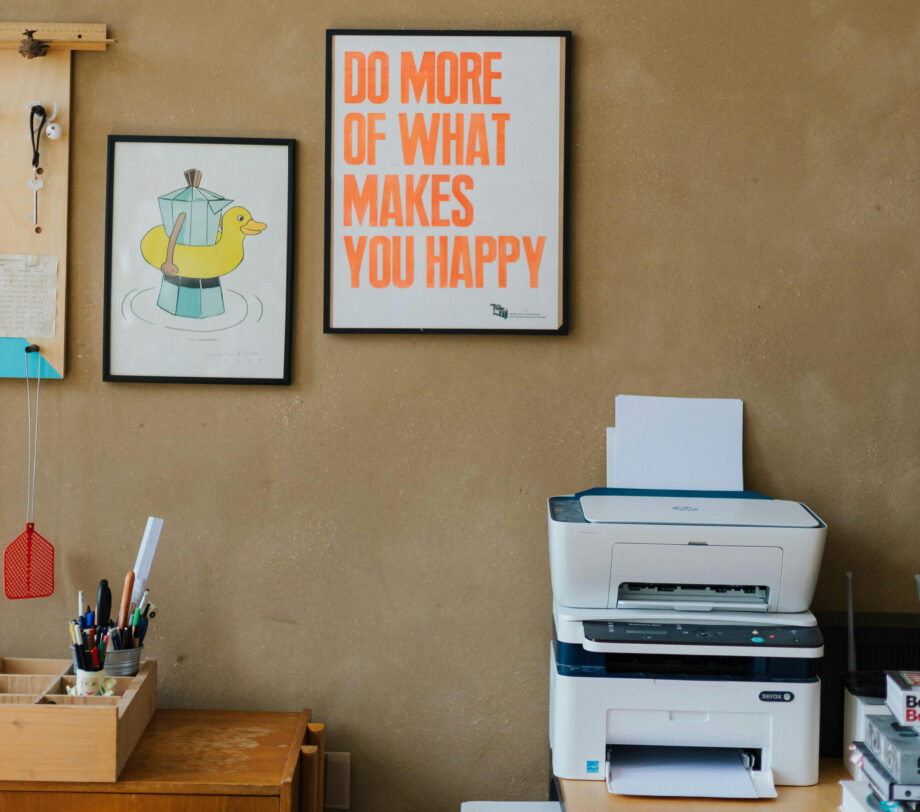
However, printing your own fabric at home comes with some significant limitations that are easy to underestimate.
Limitations of DIY fabric printing
Home printers are designed for paper, not fabric. This means colours often appear washed out, inconsistent, or different from what you see on your screen; especially with deep, saturated hues. Therefore you can't always ensure colours are accurate.
Iron on transfers and home printed fabric sheets are prone to cracking, peeling, and fading after washing. This makes them unsuitable for garments that will see regular use.
The fabric choice is extremely restricted. You're usually limited to pretreated cotton sheets designed for home printers. This is a far cry from the huge range of cottons, polyesters, linens and other fabrics available through professional fabric printing.
It's also difficult to scale up. If you need more than a metre or two printing at home becomes very slow, expensive, and inconsistent in quality.
Your standard inkjet printer isn't designed for running fabric through. This can result in the printheads becoming clogged, and other damage to the machine, leading to costly repairs.
What a professional fabric printing Service offers
Professional digital fabric printing like the service we offer here at Woven Monkey uses industrial machines and specialist inks designed specifically for textiles, which makes a huge difference to the print quality and overall outcome. Also thanks to advances in technology, it's now more accessible and affordable than ever.
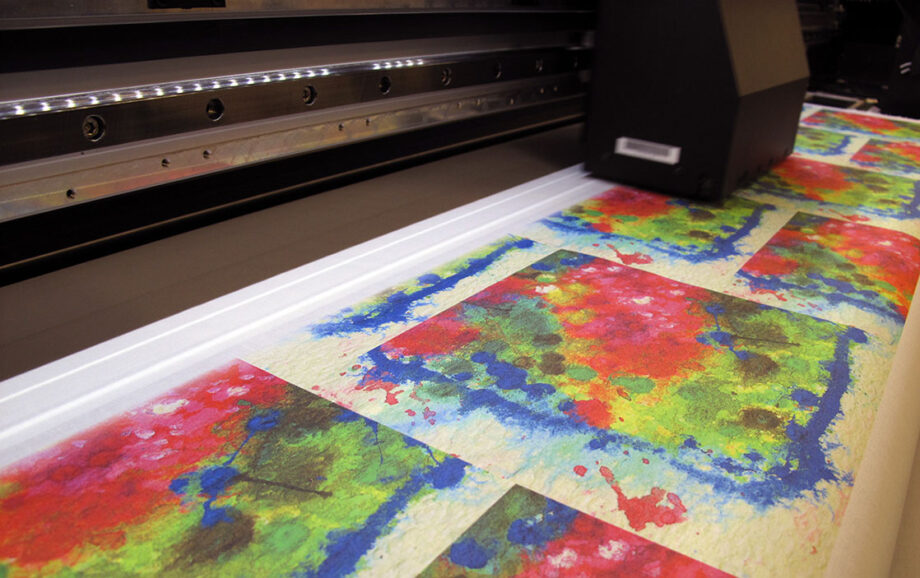
Professional fabric printing delivers sharp, vibrant results across a huge range of fabrics, such as cottons, linens, polyesters and many more!
Our digital fabric printing process reproduces your design with precision, using eco-friendly pigment inks on natural fabrics and dye sublimation for polyesters. The result is vivid, consistent colour that won't disappoint when you see it in person. You are also not limited in the number of colours you can use in your custom design.
When you use Woven Monkey's custom fabric printing service, you're not limited to a single type of material. We print on a wide range of fabrics, including 100% cotton, cotton linen blends, jersey, velvets and other polyesters. Whether you're creating soft furnishings, garments, personalised gifts, there's a fabric that's right for your project.
One of the biggest misconceptions about professional fabric printing is that you need to order large quantities. At Woven Monkey, there's no minimum order. You can order a single test swatch for just £3. This makes professional custom fabric printing just as accessible as DIY, without any of the quality compromises.
You have the options to go from small swatches to bulk orders. So professional fabric printing scales to suit any project size.
By using our service you're supporting UK manufacturing as all of our fabric printing takes place at our premises in Derbyshire. As we do all the printing inhouse we can offer quick turnaround times, including an express service that dispatches your order within 3 working days. So even if you're working to a tight deadline, professional custom fabric printing is a genuine option.
Want to hear more about our great fabrics? Check out our fabric guide page. Want to chat to one of our experts? Let’s chat.

